How to determine what causes oil leakage in the NMRV090-80-YEJ-1.1KW worm gear reducer
To determine the cause of oil leakage in the NMRV090-80-YEJ-1.1KW worm gear reducer, the process of "cleaning oil stains → locating oil leakage points → analyzing the causes based on oil leakage characteristics" should be followed. The specific steps and corresponding causes are as follows:
1. Preparation: Clean the surface oil stains
Shutdown and cool down to room temperature, cut off the power, thoroughly wipe all oil stains on the surface of the reducer with cleaning agent or diesel, and ensure that all sealing parts are clean and free of residue; After a short period of no-load operation for 5-10 minutes, observe the specific location of oil leakage and mark the oil leakage point.
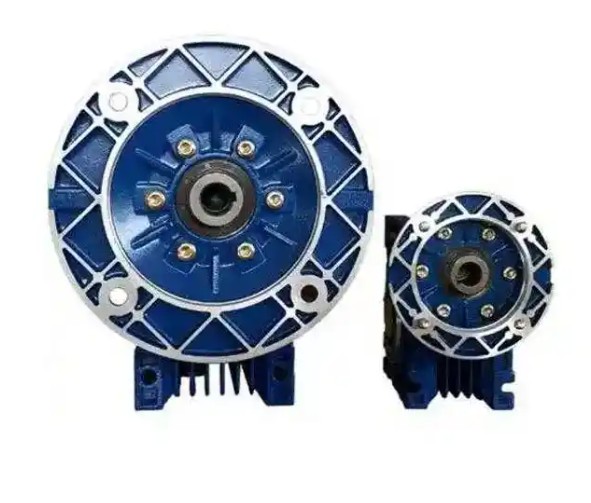
2. Locate the oil leakage point and analyze the corresponding causes
The oil leakage points of NMRV series reducers are concentrated at four major locations: the shaft oil seal, the box closing surface, the oil level/drain plug, and the observation window. The characteristics of different oil leakage points correspond to different causes:
Oil leakage point 1: Input/output shaft oil seal
Oil leakage characteristics: Oil seeps out along the circumference of the shaft neck or forms oil droplets below the oil seal end cover; After replacing the new oil seal, there will be another oil leak in the short term.
Corresponding causes:
Oil seal aging and failure: oil seal lip wear, rubber hardening and cracking, spring detachment, loss of sealing elasticity.
Journal wear and groove formation: There is a circular groove in the contact area between the journal and the oil seal lip, and the oil seal cannot fit tightly.
Improper installation of oil seal: During assembly, the lip of the oil seal is curled, skewed, or not lubricated, resulting in dry wear and damage to the lip.
Oil leakage point 2: The upper and lower surfaces of the box are closed together
Oil leakage characteristics: The oil seeps out in a linear pattern along the gaps on the joint surface, often occurring near bolts or at the corners of the box body.
Corresponding causes:
Sealing gasket/sealant failure: aging and damage of the sealing gasket, hardening and loss of elasticity; Or uneven application of sealant or incomplete curing.
Loose box closing bolts: Failure to tighten diagonally or insufficient bolt torque, resulting in gaps on the box closing surface.
The flatness of the box surface exceeds the standard: the box body is deformed, bumped, and scratched during processing, resulting in a loose fit of the box surface.
Oil leakage point 3: Oil level plug/drain plug location
Oil leakage characteristics: Oil seeps out from the thread of the plug, and even after tightening the plug, the leakage cannot be stopped.