How to determine if the sealing components of R107-Y11KW-4P-29.49-M1-270 reducer are aging
To determine whether the sealing components of the R107-Y11KW-4P-29.49-M1-270 reducer are aging, three methods can be used: visual inspection, operation monitoring, and disassembly verification. Combined with the structural characteristics of the reducer (such as the sealing layout of the M1 installation method) and the operating conditions, a comprehensive judgment can be made, which can be divided into the following six methods:
1. Observe the leakage situation at the installation site of the seal
One of the core manifestations of seal aging is the decrease in sealing performance, which leads to lubricating oil leakage. Stop the machine and clean the oil stains on the sealing parts such as the output shaft, input shaft, end cover, and box joint surface of the reducer. Then start the reducer and run it without load for 30 minutes to 1 hour, observing whether there are oil stains, oil droplets, or wet marks on these parts. If there are obvious oil marks at the contact between the output shaft and the oil seal, or around the end cap bolt, and they appear again shortly after wiping, it indicates that the seal may have worn out the lip and decreased elasticity due to aging, and cannot tightly fit the shaft surface or sealing surface; For the sealing gasket on the joint surface of the box, if there is local oil leakage, it may be due to the aging of the sealing gasket losing its elasticity and unable to fill the small gaps on the joint surface. Especially for the M1 installation method of the gearbox, uneven stress on the installation surface will accelerate the aging and leakage of the sealing element.
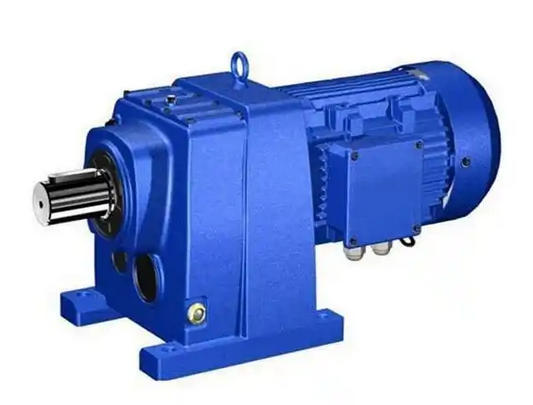
2. Check the appearance of the sealing components after disassembling and stopping the machine
For detachable sealing components such as skeleton oil seals and gaskets, after shutting down the machine and draining the lubricating oil, remove the end caps, oil seal covers, and other components, and take out the seals for visual inspection. Aging skeleton oil seals may experience problems such as lip cracking, hardening, brittleness, deformation, etc. The rubber material of the oil seal will lose its original softness and elasticity, and there will be no rebound feeling when pressed by hand. The surface may crack or fall off, and the skeleton part may rust or detach from the rubber body; The sealing gasket will experience material hardening, shrinkage, deformation, and damage, and the sealing pattern on the surface will be ground flat, losing its sealing function. If there are obvious aging cracks, loss of elasticity, or dimensional shrinkage on the surface of the seal that does not match the installation groove, it can be judged as aging failure and needs to be replaced in a timely manner.
3. Monitor the changes in oil temperature and noise during the operation of the gearbox
The aging of seals can indirectly affect the operating status of the gearbox, which can be assisted by monitoring operating parameters. Under normal circumstances, the operating oil temperature of the gearbox is stable below 60 ℃. If the aging of the sealing components causes lubricating oil leakage, it will reduce the amount of oil in the box, reduce the lubrication of the gears and bearings, and lead to abnormal oil temperature rise (exceeding 80 ℃); At the same time, after the aging of the sealing components, external dust and moisture may enter the box, contaminate the lubricating oil, and exacerbate gear meshing wear. During operation, abnormal "rustling" or "buzzing" sounds may occur, and the noise increases with prolonged operation time. Comparing the oil temperature and noise data during the initial operation of the gearbox, if there is a significant increase in oil temperature and abnormal noise, and other factors such as lubrication and gear wear are excluded, it is highly likely that it is a chain reaction caused by aging seals.